
Board Nominations have now closed for 2026. Please consider standing in 2027.
Could you help shape the future of audiology?
With the deadline for BAA Board nominations fast approaching, this is your final opportunity to put yourself forward for election to the BAA Board. Six vacancies are available, with successful candidates beginning their three-year term in October 2026. The nomination window closes at 11:59pm on Friday 4 September 2026.
Serving on the Board is a unique opportunity to influence the direction of the profession, contribute to national discussions, develop new skills and work alongside passionate colleagues from across audiology. BAA welcomes nominations from all full and honorary members and is particularly keen to encourage applications from a diverse range of backgrounds, career stages and geographical locations.
To help members learn more about what Board involves, we feature some short videos (below) of current Board Directors sharing their experiences. Hear first-hand about the opportunities, challenges and personal benefits of serving on the Board, and why they would encourage others to get involved.
One current Director reflects that you do not need previous Board experience to make a meaningful contribution: enthusiasm, a willingness to learn and a commitment to the profession are what matter most. Serving on the Board offers the chance to build new connections, develop leadership skills and make a lasting impact on audiology.
If you’ve ever considered getting more involved with BAA, now is the time.
Hear from some of our current board directors
Saira Hussain, Board Director for Education
How long have you been involved with the BAA Board, and what roles have you held during that time?
Some members may feel they need years of experience or seniority before volunteering. What would you say to reassure someone earlier in their career or without previous Board experience?
If someone is unsure whether they’re ‘ready’ to volunteer, what advice would you give them?
Jane Deans, Board Director for Service Quality

Some members may feel they need years of experience or seniority before volunteering. What would you say to reassure someone earlier in their career or without previous Board experience?
I would say that you do not need years of experience or previous Board experience to make a valuable contribution. Some of the most important qualities are enthusiasm, a willingness to learn, and a genuine desire to support the profession. Everyone brings different skills, perspectives and experiences, and those diverse viewpoints are what help organisations like BAA remain relevant and representative of their membership. Volunteering is also a fantastic way to develop professionally. Many of the skills I have gained through BAA—including leadership, networking, public speaking, policy development and influencing—have come from getting involved and taking on new challenges. You learn a great deal by working alongside experienced colleagues, and there is always support available. I would encourage anyone who is interested to put themselves forward, regardless of their career stage. Fresh voices and new ideas are essential, and the Board benefits from having members with a range of backgrounds, experiences and perspectives. Often, the hardest part is taking that first step.
How does having a diverse range of voices and career stages on the Board strengthen BAA?
Having a diverse range of voices and career stages on the Board is essential because it ensures that BAA reflects the breadth of its membership. Members at different points in their careers often bring different perspectives, experiences and priorities, and having that mix around the table leads to more balanced and informed decision-making. Diversity is about more than career stage—it also includes geography, sector, background and experience. As someone who has always been passionate about ensuring Scotland has a voice within BAA, I have seen first-hand how important it is that different regions and perspectives are represented. The stronger and more diverse the representation on the Board, the better BAA can support its members, respond to challenges and shape the future of the profession.
Every year, BAA invites members to stand for election to the Board. What would you say to someone who is thinking about putting themselves forward?
My advice would be go for it. You do not need to have previous Board experience or feel that you have reached a certain stage in your career before you can make a meaningful contribution. What matters most is having an interest in the profession, a willingness to get involved, and a desire to help shape the future of audiology
If someone is unsure whether they’re ‘ready’ to volunteer, what advice would you give them?
If you are unsure whether you are ‘ready’ to volunteer, I would encourage you not to let that hold you back. There is no single route into volunteering, and you do not have to start by joining the Board. A great way to get involved is by joining one of BAA’s committees or working groups, where you can gain experience, develop new skills and build your confidence while contributing to BAA work. Volunteering is a learning experience, and you do not need to have all the answers from the outset. If you are enthusiastic, willing to contribute and keen to support the profession, there will be opportunities to get involved and grow. Sometimes the best way to find out if you are ready is simply to take the first step.
Lauren Willis, Board Director for Regional Groups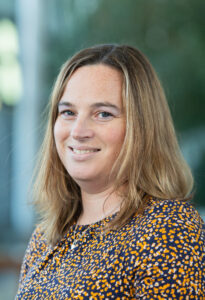
How long have you been involved with the BAA Board, and what roles have you held during that time?
I have been involved for the last 6 years, I have done a mixture of EDI, membership and Regional Groups. Prior to my time on board, I was not in any other BAA specific roles but did attend regular events and was active with reading Horizons etc.
What inspired you to volunteer for the Board in the first place?
I wanted to help with moving our profession forwards and understand some of the reasons behind why certain decisions are made. I also felt it would help towards my personal progression and what I could learn from others and bring back to the department. At the time of starting on Board, I was a Lead of Clinical Services but not a Head of Service.
What have been the biggest personal or professional benefits of serving on the Board?
Being able to collaborate with other like minded professionals, and learn that challenges are similar regardless of which part of the profession you belong to.
- Some members may feel they need years of experience or seniority before volunteering. What would you say to reassure someone earlier in their career or without previous Board experience?
I think sometimes it is too easy to discuss things in a way that assumes everyone has an understanding of current challenges in Audiology Management and I did struggle to get to grips with this when I started on board. I think it is good to have people from across the profession to make sure that everyones voice is heard and it does not always need to be experience that needs to be considered.
What surprised you most about being on the BAA Board?
The amount of different areas that are covered by board, and the expectation of members around what they expect from BAA as a group of peers and volunteers.
Can you share a moment or achievement from your time on the Board that you’re particularly proud of?
Being able to present at Regional meetings, being listened to and being able to show all the good work that we are doing
How does having a diverse range of voices and career stages on the Board strengthen BAA?
Makes sure that each area of the profession has a voice, and that for example emerging technology is kept up with and other advances that affect people in different stages of their career and different specialities.
Each year, BAA invites members to stand for election to the Board. What would you say to someone who is thinking about putting themselves forward?
I would suggest that you have the backing of your organisation and that they are willing to listen and learn from information that you are able to bring back. It has helped having support from my Trust as I am not always required to give back time I take for meetings etc as they see the benefit of having attendance.
If someone is unsure whether they’re ‘ready’ to volunteer, what advice would you give them?
Talk with people that are already involved to see whether you feel it can fit in with what you are doing. Whilst the Board supports people through times when they are less able to be active, you do need to be available and proactive.