

2026 Programme Overview
Join us in Liverpool this October for an inspiring and dynamic conference programme designed to inform, challenge, and empower audiology professionals at every stage of their career.
The 2026 programme will feature:
- Keynote presentations from thought leaders shaping the future of audiology
- Invited talks from renowned clinicians, researchers, and educators
- Free papers selected from submitted abstracts, showcasing original research and clinical innovation
- Industry insights track, highlighting the latest advances in technology, products, and software from our partners
Our sessions are curated to deliver practical takeaways and fresh perspectives that you can apply in your clinical practice, research, and teaching. Expect cutting-edge content, real-world service innovations, and updates that will influence how we deliver care and connect with patients.
Click here to view the BAA Conference 2026 Programme
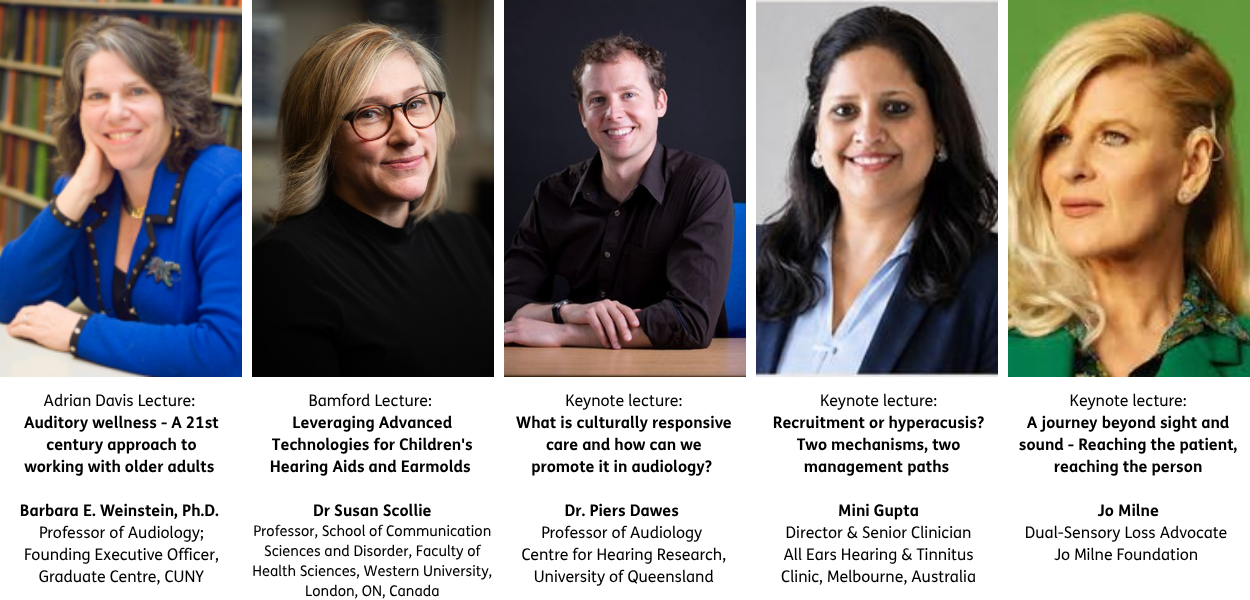
Keynote Speakers:
We are thrilled to welcome an outstanding line-up of clinical leaders and research experts delivering clinic-changing presentations across the programme:
Programme Highlights:
- Healthy ageing and auditory wellness: Featuring the Adrian Davis Lecture from Professor Barbara Weinstein on a 21st century approach to working with older adults and hearing wellbeing.
- Culturally responsive audiology: Exploring how services can better meet the needs of diverse patient populations and reduce inequalities in hearing healthcare.
- Artificial intelligence in audiology: Including AI applications to improve hearing health, optimisation of pure tone audiometry, and discussions on “Computer hears no: AI, the ear and beyond”.
- Paediatric audiology: Covering cognition, paediatric clinical practice, and presentations from international experts in childhood hearing and auditory development.
- Vestibular and balance care: Dedicated vestibular sessions exploring current clinical practice and research.
- Tinnitus, hyperacusis and misophonia: Including keynote sessions on hyperacusis and misophonia, tinnitus and mindfulness, and research into tinnitus across the lifespan.
- Cognitive health and dementia: Exploring the links between hearing loss, cognitive health and dementia, and how audiology services can support ageing populations.
- Innovation in clinical practice: Sessions on OAEs in adults, high-frequency hearing loss testing, auditory training, REM beyond target match and earmould coupling.
- Leadership and workforce development: Including discussions on neurodiversity and leadership, communication in healthcare, and national updates from NHS England and Welsh Government leaders.
- Private practice and patient engagement: Featuring sessions on social media in private practice, understanding emotional drivers behind patient decisions, and practical hearing care approaches.
- Research and emerging evidence: Showcasing free paper presentations, poster sessions and the latest findings from leading universities, NHS organisations and research centres.
With thought-provoking debates, real-world clinical insights, and future-facing technologies, this conference is designed to inspire and inform audiology professionals at every stage of their careers.
2026 Speaker Abstracts and Biographies Thursday 29th October
Bamford Lecture: Leveraging advanced technologies for children’s hearing aids and earmoulds
Dr Susan Scollie, Professor in the Faculty of Health Sciences & Director, National Centre for Audiology, University of Western Ontario in London, Ontario, Canada
Abstract
In the fast-paced world of audiology, we embrace technological advances that offer benefits to our patients of all ages. Advances in artificial intelligence have increased the rate and variety of technological advancements in hearing technologies, but how are they developed for use with children? What are the priority areas for application of AI for paediatric hearing aid fitting, and how can we appraise the validity of models as they apply to children? In this presentation, I will contrast technological advances that do and do not use AI, and critical evaluate their readiness for use in clinical practice.
Biography
Susan Scollie is a clinically-trained Audiologist and Distinguished University Professor of Audiology in Western’s School of Communication Sciences and Disorders. She has served as the Director of the National Centre for Audiology since 2018, where she represents an interdisciplinary group of researchers who are interested in the technologies and evidence that change clinical practices and knowledge in hearing healthcare. Dr. Scollie is an award-winning teacher in Western’s accredited professional program in Audiology, which is the largest in North America. As a member of the development team for the award-winning DSL hearing aid prescription software, she leads technology transfer to ensure its accurate implementation within the hearing industry globally.
Keynote Lecture: What is culturally responsive care and how can we promote it in audiology?
Professor Piers Dawes, Professor of Audiology, Centre for Hearing Research, University of Queensland, Brisbane, Australia
Abstract
More than 30% of Australians were born overseas and 22% speak a language other than English at home. Unfortunately, use of hearing services and hearing aids remains low among ‘culturally and ethnically diverse’ (CALD) communities despite availability of government-subsidised hearing services.
Biography
Piers Dawes is Professor of Audiology and Director of the Centre for Hearing Research (CHEAR) at The University of Queensland, Australia, and Professor of Audiology at the Manchester Centre for Audiology and Deafness (ManCAD), University of Manchester. Professor Dawes’ work spans the causes and impacts of hearing impairment as well as development and evaluation of hearing services that are accessible, culturally appropriate, and responsive to culturally and linguistically diverse communities. He leads major international and Australian programmes examining how hearing and vision services can better support underserved populations, including long-term care residents and culturally and linguistically diverse communities.
Keynote Lecture: A journey beyond sight and sound – reaching the patient, reaching the person.
Jo Milne, Dual-Sensory Loss Advocate, See and Hear Change
Abstract
Deafblindness – a dual-sensory loss, is not simply the addition of one loss on another, it is unique in its affect on how a person interacts with the environment and their ability to communicate with others.
Biography
Jo Milne is a passionate public speaker, author, coach and advocate for people living with sensory loss. In 2014 she underwent Cochlear Implant surgery which gave her the ability to hear sounds for the first time. Her story was picked up by the world’s media and the clip of her Cochlear Implants being switched on has now been viewed by more than 50 million people worldwide.
Leading differently: neurodiversity and leadership in Healthcare Science
Dr Vicki Heath, Chief Healthcare Science Officer. Health, Care and Prevention Group. Llywodraeth Cymru / Welsh Government
Abstract
It’s estimated that there are around 700,000 people in the UK with autism, but they are far less common in the workplace as only 29% are in any form of employment. On top of this, the median hourly earnings of employees with autism is 27.9% lower than employees without disabilities.
Lower salaries and lower number in employment show that work places are not successfully supporting autistic employees. We know that employment status can impact on health outcomes and so providing improved opportunities can help to reduce health disparities5. If workplaces aren’t providing an environment where staff with autism are able to thrive then they aren’t likely to progress into leadership positions.
And most importantly: if a workplace cannot understand and support autistic staff then how can they be sure that they are supporting their autistic patients?
Biography
Vicki Heath was appointed as Wales’ first Chief Healthcare Science Officer in March 2025. With over 20 years experience in health and social care, Vicki advises the Welsh Government on the most effective ways to use healthcare science to deliver improved healthcare. As the professional lead for the 7000 healthcare scientists in Wales, she represents more than 50 healthcare science specialisms.
Vicki is dual registered with the HCPC as a biomedical scientist and clinical scientist. Outside of her role in Government, Vicki is an award winning science communicator with a particular interest in raising the profile of healthcare science careers.
Equity in Clinical Hearing Outcomes across Sociodemographics – ECHOS
Miss Fahima Khatun, Patient and Public Involvement and Engagement Lead, NIHR UCLH BRC Hearing Health Theme
Dr Liam Barrett, Research Fellow in Artificial Intelligence, University College London
Abstract
Hearing loss affects over 18 million people in the UK and is associated with reduced social participation, poorer wellbeing, and wider socioeconomic disadvantage. Emerging evidence suggests substantial inequalities in hearing health and hearing aid use across ethnic and socioeconomic groups, yet these disparities remain poorly understood in the UK context.
Biography
Fahima is a Patient and Public Involvement and Engagement (PPIE) and Equality, Diversity and Inclusion (EDI) Lead with a strong commitment to improving outcomes for people living with sensory and cognitive impairments. She runs a nationally recognised home care organisation supporting people with sensory and cognitive impairments, guided by a philosophy of safe, high-quality, person-centred care. Through her role as PPIE Lead for the NIHR UCLH BRC Hearing Health Theme, she advocates for people living with hearing conditions and helps ensure their experiences and priorities shape research and healthcare. She is passionate about amplifying patient voices and improving outcomes for people affected by hearing loss.
Computer Hears No: Blind Spots in Human-Machine and Human-Human Communication
Dr Jan-Willem Wasmann Medical Physicist Audiologist, President, Computational Audiology Network, Radboud University Medical Centre, The Netherlands
Abstract
In audiology, we often focus on hearing loss as an invisible disability, but what about the visible barriers created by speech impairments that may result from it? This presentation explores the ethical and practical blind spots in our interactions with both machines and humans. How do we develop ethical AI in audiology, and what are some of the hidden costs? While AI and hearing technologies can restore speech reception in many cases, how do they affect our clients’ speech production? And do we, as audiologists, fully recognize our role in addressing speech impairments as part of clinical practice?
The talk will challenge attendees to consider: Are we experts in hearing as well as speaking? And how can we better integrate hearing and speech accessibility services into our clinical duties? Join this interactive session to reflect on the unseen barriers in audiology and the role of technology in breaking them down or amplifying them.
Biography
Jan-Willem Wasmann is an audiologist at Radboudumc in Nijmegen and president of the Computational Audiology Network (CAN). His recent work includes data-driven CI fitting techniques, remote care, and AI chatbots in hearing healthcare. He aims to stimulate the creation of a network of hybrid AI and audiology experts and hopes CAN can facilitate novel projects.
Using AI to Accelerate Hearing Tests
Dr Liam Barrett (PhD), Research Fellow in Artificial Intelligence, University College London
Abstract
Manual pure-tone audiometry (PTA) remains the gold standard for hearing assessment, but it is time-consuming, resource-intensive, and dependent on audiologist availability. These demands weigh heavily on a service already facing rising demand, workforce shortages, and growing waiting lists. This talk presents our group’s work on applying artificial intelligence to optimise PTA delivery, centred on the AHEAD (AI-enhanced HEaring Assessment and Delivery) system. AHEAD uses Bayesian active-learning to dynamically select test tones and presentation levels based on an individual’s responses, rather than testing each frequency independently. Calibrated on over 300,000 audiograms from UCLH audiology services and informed by expert audiologist heuristics, the system has shown in early laboratory testing a 40% reduction in test time while maintaining clinical-standard accuracy (±5 dB HL). I will outline our development pathway: from computer modelling to planned clinical validation in adults with sensorineural hearing loss and tinnitus. We will reflect on the practical opportunities and challenges of integrating AI into audiology workflows, including how such tools might widen access without replacing professional expertise.
Biography
I am a research fellow with the EvidENT team at the Ear Institute, UCL, where I investigate how AI can enhance hearing care. My focus is on utilising large datasets from individuals with hearing loss to train machine learning models that address various issues related to hearing loss.
16:15 – 16:45
It’s all just words – why communication in healthcare matters
Professor Alison Pilnick, Professor of Language, Health and Society, School of Nursing and Public Health, Manchester Metropolitan University
Abstract
Much, if not most of healthcare is delivered at least in part through talk, either face-to-face, or increasingly, over the phone or other remote delivery platforms. Yet communication (or the lack of it) is consistently the largest single subject category of NHS complaints in hospital and community settings. Healthcare professionals are very aware that they find communication in particular settings or with particular groups challenging, but their training is often based on what we think we know about how to communicate well, with recommendations grounded in ‘top tips’ rather than being empirically derived. This is a problem because things that may seem like a good idea in the abstract do not necessarily translate well into practice, and approaches that may work in everyday conversation cannot necessarily be transported unproblematically into healthcare settings. Drawing on 30 years of research studying audio and video recordings of interactions between healthcare professionals and their patients or clients, I will show why some of the things that are done with the best of intentions can create problems, and make a case for why we need to study actual interaction to create good healthcare training.
Biography
Alison Pilnick is Professor of Language, Health and Society at Manchester Metropolitan University. For the last 30 years she has been researching communication between healthcare professionals and their patients or clients, in hospitals, clinics, GP surgeries and wherever else those interactions take place. She has worked with professionals including GPs, surgeons, anaesthetists, midwives, nurses, pharmacists and physiotherapists, in the UK and overseas, and her work has been funded by bodies including ESRC, NIHR, the British Academy and the General Research Fund of Hong Kong. Her preferred way of working is to use a method called conversation analysis to study audio or video recordings of actual healthcare interactions, rather than relying on what people think or say they do when they communicate. Her aim is to produce communication training resources that are underpinned by high quality social science research. She is a previous Academy of Medical Sciences Future Leader in Innovation, Enterprise and Research and is an elected Fellow of the Royal Society of Arts, and the Academy of Social Sciences. Her work on patient-centred care won the British Sociological Association/Foundation for the Sociology of Health and Illness prize for the most significant contribution to medical sociology in 2023.
NHS Audiology in England
Dr Michelle Foster, National Specialty Advisor for Hearing, NHS England & BAA Board Director
Abstract
Over the past year, as National Specialty Advisor for Hearing and Associated Conditions for Adults and Children, my focus has been on strengthening the quality, consistency and sustainability of hearing services across England. Working closely with clinical leaders, patients, professional bodies and system partners, I have championed initiatives that support improved outcomes, earlier intervention and equitable access to high-quality care.
A major priority has been driving quality improvement across paediatric and adult hearing pathways, with particular emphasis on reducing unwarranted variation, supporting service assurance, and promoting evidence-based best practice. This has included advancing national programmes aimed at improving timely diagnosis, enhancing patient experience and strengthening service performance through the use of data and continuous improvement methodologies.
Alongside service quality, a key focus has been advocating for the hearing workforce. Recognising the critical role of skilled multidisciplinary teams in delivering safe and effective care, I have supported work to raise the profile of workforce challenges, promote workforce planning, and encourage innovative approaches to recruitment, retention and professional development.
Central to all activity has been a commitment to patient-centred care. By ensuring that the voices of children, adults and families remain at the heart of service design and improvement, the role has sought to support a future in which hearing services are accessible, resilient and capable of meeting growing demand while delivering the highest standards of care and outcomes.
NHSE nationally have been leading and engaging with stakeholders to develop a children’s hearing strategy which aims to set a clear vision for the future, with children and young people and their families at the centre.
Biography
Michelle is currently one of the National Speciality Advisor for Hearing loss and Associated Conditions, Head of Audiology Service at Leeds Teaching Hospital and Regional Chief Scientist for the Northeast and Yorkshire.
She has successfully led an improvement program across paediatric audiology in all trusts across her region. One of the first sites in her region was identified in 2023 where she led a rapid improvement programme, re-calling children and supporting the service with their existing patients. This was so successful it became the national blueprint.
As Head of the Audiology Service at Leeds Teaching Hospital she leads a team to deliver high-quality Audiology services across Leeds. She is a passionate leader who focuses on empowering everyone in her team to work effectively together to their full potential. She has initiated and led on multiple improvement programmes across all ENT and Audiology providers in Leeds. Michelle is also the Physiological Science lead within Leeds Teaching Hospitals and the Chair of the West Yorkshire Healthcare Science which feeds into the ICS. She has written and contributed to national standards and guidance and been the chair of the electrophysiology special interest group for The British Society of Audiology. She is a board member of British Academy of Audiology leading on professional matters and workforce.
As the Regional Chief Scientist for the Northeast and Yorkshire she is the professional lead for all of healthcare science across the region supporting the lead scientists in the trusts. Her portfolio is varied and wide ranging from professional leadership and development, Antimicrobial Resistance, diagnostics, elective recovery, workforce, research innovation and many other areas. Michelle brings together these diverse scientific specialities ensuring that their critical roles, experience and needs are represented and respected throughout the region.
She was one of the four Chief Scientific Officer WISE Fellows in 2017/2018. This prestigious fellowship has afforded Michelle opportunities to link to wider groups to promote her passion.
PPPD Beyond the Criteria: What Vestibular Clinicians Need to Know Before Applying the Label
Mrs Amy Lennox-Bowley, Founder/Specialist Audiologist, Hypatia Specialist Clinics
Abstract
Persistent Postural-Perceptual Dizziness (PPPD) has become one of the most frequently applied diagnoses in contemporary vestibular practice. The Bárány Society diagnostic criteria have provided clinicians and researchers with a valuable framework for recognising persistent dizziness characterised by chronic symptoms, visual dependence and postural instability. However, as awareness of PPPD continues to grow, so too does the need for thoughtful reflection on its clinical application.
This presentation explores the evolution of PPPD from its historical predecessors, including chronic subjective dizziness and phobic postural vertigo, to its current role within vestibular medicine. Drawing upon published evidence, the Bárány Society criteria, emerging concepts such as time-domain dissociation, and real-world clinical experience, the session will examine both the strengths and limitations of the diagnosis.
Particular attention will be given to the overlap between PPPD and vestibular migraine, uncompensated vestibular disorders, otolith dysfunction, concussion, sensory processing differences, neurodivergence and functional neurological symptoms. Rather than questioning the value of PPPD, this session will explore whether similar symptom profiles may arise from different underlying mechanisms and why this distinction matters for assessment and rehabilitation.
Attendees will leave with a deeper understanding of the evidence underpinning PPPD, greater confidence in applying the diagnostic criteria appropriately, and practical strategies to promote nuanced, mechanism-informed clinical reasoning while avoiding diagnostic oversimplification.
Biography
Amy Lennox-Bowley is the Founder and Clinical Director of Hypatia Specialist Clinics and Hypatia Training, delivering specialist neuro-vestibular care, education, and service development internationally. She serves on the Executive Committees of the International Vestibular Society and Vertigo Academy International, and is Vestibular Section Editor for ENT & Audiology News. Amy mentors NHS and independent clinicians, lectures at Middlesex University and Edge Hill University, and is recognised for her work in vestibular technology development. She is the founder of VestiHeal, a digital vestibular rehabilitation platform, and her research focuses on persistent dizziness, visual vertigo, and digital innovations that improve patient care.
Audiology‑First balance pathway: A Trust‑wide transformation
Mr Benjamin Adams, Clinical and Operational Head of Service, Withington & Wythenshawe hospitals, Manchester University NHS Foundation Trust
Abstract
Long ENT waits for dizziness, peaking at 77 weeks, prompted a five‑year QI programme to redesign balance care across MFT. Root‑cause analysis and pilot work revealed inefficiencies, limited ENT capacity, and high DNA rates. In May 2026, the Audiology‑First Pathway launched, enabling GP direct referral, specialist triage within five days, and one‑stop audiology‑led assessment and treatment. Early outcomes show patients now seen in <6 weeks, reduced ENT backlog, faster escalation for complex cases, and improved patient experience. With expanded workforce and diagnostic capacity, sites report an increase in attended appointments, demonstrating a safe, cost‑effective, scalable model aligned with national elective care reform.
Biography
Benjamin Adams is a Clinical Scientist and Head of Service specialising in advanced diagnostic audiology and vestibular science. He has continued to expand his expertise through leadership programmes, specialist vestibular training, and the Higher Specialist Scientist Training Programme. He leads complex electrophysiological and vestibular services, managing non‑routine caseloads and overseeing clinical operations and service development. His vestibular work spans BPPV assessment and treatment, vHIT, VNG, SVINT, c‑VEMP and bi‑thermal calorics. He is a committed educator, supporting MSc students and contributing to departmental research, building on two decades of NHS experience across adult, paediatric, and specialist diagnostic practice.
Putting the fun back into paediatrics
Ruth Vickerstaff, Clinical Lead for Audiology (Adult and Paediatric), Barts Health NHS Trust
Abstract
Paediatric audiology has had a difficult few years. We have talked at length about what has gone wrong; and those conversations have been necessary. But somewhere along the way, we have stopped talking about all the wonderful things about paediatric audiology and what makes it a great career choice.
This talk makes the case that paediatric audiology is, in fact, three things at once: intellectually demanding, emotionally rewarding, and, more than any other area of audiology, gloriously ridiculous.
From the cognitive rigour of making high-stakes decisions on limited information, to learning from multi-professional colleagues, to crying with laughter with the children, and the particular skill of knowing when a cough means that vomit is imminent; paediatric audiology asks a great deal of its practitioners. It also gives back in kind; going on the journey from diagnosis as a newborn to a teenager leaving for adult services, and the moments where you know that you have genuinely changed the shape of someone’s life.
This session is an honest account of why paediatric audiology remains one of the most varied, demanding, and joyful specialisms in the field and an invitation to remember, or discover, what makes it worth choosing.
Biography
Ruth Vickerstaff is Clinical Lead for Adult and Paediatric Audiology at Barts Health NHS Trust. Her route into audiology was anything but direct, via a PhD in Molecular Haematology, Vision Science, and Healthcare Market Research, before completing the STP in 2016. She has since worked across paediatric audiology in London and held national roles with NHS England in healthcare science workforce development. Her interests span quality improvement, education, and training. Outside work she has run 13 half marathons, performed in musicals and pantomimes, and been paid to do stand-up comedy, which she considers conclusive proof of professional comedian status.
‘One” or ‘Mild’ Isn’t Minor: Management of Mild and Unilateral Hearing Loss in Children
Dr Ryan McCreery, Vice President of Research & Director, Audibility, Perception and Cognition Laboratory & Director of the Center for Audiology, Boys Town National Research Hospital
Abstract
Despite substantial improvements in developmental outcomes for children with hearing loss since the implementation of early hearing detection and intervention programs, children with mild and unilateral hearing losses continue to lag behind peers with moderate or greater degrees of hearing loss due to inconsistent intervention practices. There is emerging evidence that children with mild and unilateral hearing losses can benefit from amplification that is provided early and fitted to restore access to speech and language, but children in these groups continue to receive hearing aids at later ages even when hearing loss is identified at birth. The goal of this presentation is to provide a clinical framework for the identification and management of children with mild and unilateral hearing losses so that audiologists can provide early and consistent intervention for children in these groups.
Biography
Biography: Ryan McCreery is the Vice President of Research and Director of the Audibility, Perception, and Cognition Laboratory at Boys Town National Research Hospital in Omaha, Nebraska, U.S.A. Ryan’s research seeks to optimize outcomes for children with mild to severe hearing loss who use hearing aids.
Evaluating the clinical and resource impact of targeted surveillance in the newborn hearing screening pathway: evidence to inform pathway change
Hannah Garnett, National Lead, NHS Newborn Hearing Screening Programme, NHS England
Abstract
Analysis of six years of national NHSP data has found that the current 7 to 9 month targeted surveillance pathway provides limited additional benefit in identifying permanent childhood hearing impairment in babies who pass newborn hearing screening but have recognised risk factors for hearing loss. The findings suggest that a pathway established more than 20 years ago may no longer represent the most effective use of paediatric audiology resources. Redesigning or discontinuing targeted surveillance could release significant clinical capacity and financial resource, reduce unnecessary appointments for families, and support more sustainable service delivery, while maintaining safe and effective identification of children with hearing impairment.
Biography
Hannah Garnett is the National Lead for the NHS Newborn Hearing Screening Programme (NHSP) in England. A qualified Audiologist, she has more than 25 years’ experience in audiology and newborn hearing screening, with a particular focus on paediatric services, quality improvement and programme leadership.
Since leading the implementation of newborn hearing screening across North and East Devon in 2005, Hannah has been instrumental in the development and delivery of high-quality screening services, helping to ensure the early identification of hearing loss and timely intervention for babies and their families. She is widely recognised for her expertise in service transformation, workforce development and national programme delivery.
Hannah continues to champion excellence in newborn hearing screening and paediatric audiology through her work with NHS England, supporting services across the country to improve outcomes for children and families.
Reducing Age of Identification in Paediatric Audiology: From Ombudsman Review to <12-Week Hearing Loss Identification from Newborn Hearing Screening in NHS Lothian
Verity Hill, Head of Service, Paediatric Audiology, NHS Lothian, Edinburgh
Abstract
Biography
Armed Forces Veterans and Hearing Loss: What Every Audiologist Needs to Know
Ryan Phillips, Clinical Audiologist, Betsi Cadwaladr University Health Board
Abstract
Armed Forces Veterans are more likely to experience hearing loss and tinnitus than those who have not served in the military, yet many face challenges that can delay or prevent engagement with healthcare services. This presentation aims to raise awareness of a unique patient population, exploring the impacts of military service on hearing health and barriers to seeking help, including the influence of military culture and stigma on healthcare engagement. Attendees will gain practical insights that may help inform clinical interactions and an understanding of the Armed Forces Covenant, which promotes priority treatment of conditions attributable to military service.
Biography
Ryan Phillips is a Clinical Scientist and Chartered Manager working in Audiology at Betsi Cadwaladr University Health Board in North Wales. Prior to his Audiology career, he was a Commissioned Officer and Air Traffic Controller in the Royal Air Force. Ryan aims to combine his experience as a veteran and healthcare professional to advocate for better hearing healthcare for the veteran community. He has previously published research exploring occupational stress in audiology and he remains actively involved in research, education and professional development within the profession.
High level evidence for hearing aids shows no effect on cognition and mental health: Cochrane review 2026
Melanie Ferguson PhD, Curtin University, Perth, Australia
Abstract
The recently updated Cochrane review synthesised evidence from 16 randomised controlled trials (RCTs) evaluating hearing aids for adults with mild to moderate hearing loss. Trials continued to show large beneficial effects on hearing‑specific health‑related quality of life (participation) and listening ability, and a small benefit for general health‑related quality of life. However, across cognitive outcomes, including working memory and eight additional subdomains, the evidence was low or very low certainty, with no clear improvements. Similarly, mental health outcomes such as loneliness, depression, anxiety, and social isolation showed little or no effect, with low or very low certainty evidence.
Biography
Melanie Ferguson is an internationally–recognised researcher in hearing science and audiology, and is Adjunct Professor at Curtin University, Perth, Australia, now living in the UK. Her translational research focusses on new service delivery models including remote digital healthcare tools, listening and cognition, hearing devices, and outcome measures. Previously, she led research teams at the National Acoustic Laboratories, Sydney, and the NIHR Nottingham Biomedical Research Centre. She has held leadership roles in UK Audiology and been involved in UK hearing healthcare policy-making.
Using REM beyond target match
Mr Robert McLeod, Senior Clinical Specialist, Otometrics
Abstract
In this talk, we will take a look at how probe microphone measurements can serve us and our patients beyond verification to prescription targets. We will discuss methods of verifying CROS aid mics, verifying frequency lowering features and speech mapping options. Sometimes the fine tuning of a patient’s hearing aid becomes a truly individual process and probe microphone measurements can become a powerful tool.
Biography
Robert McLeod has more than 13 years of clinical experience using Otometrics solutions in the NHS and private market. In his role as Clinical Specialist at Natus Sensory, Rob leads the Otometrics training team in the UK and Ireland and also delivers international educational content at conferences and industry events. A keen enthusiast for promoting best practices and sharing enthusiasm for diagnostic technology, particularly probe microphone measurements and hearing aid verification.
Translating auditory training evidence into practice: Are we nearly there yet?
Dr Helen Henshaw, Principal Research Fellow, NIHR Nottingham Biomedical Research Centre, University of Nottingham
Abstract
The hearing care landscape is evolving, driven by increasing demand for hearing services, growth in digital rehabilitation, and greater emphasis on person-centred care. Against this backdrop, I present findings from the largest and most comprehensive systematic review and meta-analysis of computer-based (digital) auditory training for adults with hearing loss to date, synthesising evidence from 59 studies spanning two decades of research. Results demonstrate large and highly significant improvements for trained auditory tasks and consistent generalisation to speech perception, cognitive and self-reported outcomes, although heterogeneity remains substantial across interventions and participant groups. Training effects depend on stimulus type and study methods, rather than training exposure alone. The session will consider what remains to be done to move auditory training from the research laboratory into routine, evidence-based hearing care.
Biography
Helen is a Principal Research Fellow, Chartered Psychologist and Research Lead at the NIHR Nottingham Biomedical Research Centre, University of Nottingham. She leads a translational research programme investigating how hearing loss affects communication, cognition, and quality of life. Her team’s research is focused on developing and evaluating scalable digital and behavioural interventions to improve the lives of adults with hearing loss, delivered through NHS and community healthcare pathways. This work is guided by the needs and priorities of patients and the public, who act as equal partners in the research.
OAEs in adults – what are they good for?
Jason Smalley, Head of Audiology, Nottingham University Hospitals NHS Trust
Abstract
The talk will cover the basics of OAE’s in adults – what they are, what they show and why they might be a useful tool to have in your clinic. Are they still a tool just for use in paediatrics? By the end, you’ll know your TE from your DP and where they might fit into your test battery for your patients.
Biography
I’ve been a qualified audiologist since 2010, starting in general audiology before moving to more specialised role in the electrophysiological assessment of hearing. In 2023, I became a clinical scientist, enrolling on the HSST programme. At the end of 2024 I became the Head of Audiology at Nottingham University Hospitals, leading one of the largest departments in the country. Home life is almost as busy at work, with an 11 year old and three dogs rather keeping me on my toes…I’ve been on BAA board since 2020, initially in the role as Service Quality and more recently moving across to Professional Development and latterly publicity and communications. My passion is improving professional standards and knowledge which directly improve the outcomes for our patients.
Tinnitus pathways and management in private practice
Mini Gupta
Abstract
Tinnitus enquiries are rising in private practice as NHS waiting times lengthen, and many independent clinicians are unsure how to assess these patients or what to offer them. This session sets out a clinical structure they can adopt in their own practice.
Mini opens with a framework she has developed over her years in clinical practice, presented publicly for the first time, which distinguishes the conscious perception of tinnitus from the subconscious processing that assigns it significance and sustains distress. This clarifies which mechanisms can be targeted, and how each intervention works. From that basis she moves to assessment, using validated pre-appointment questionnaires to identify which systems are involved and to direct treatment. She is also clear on when a patient needs onward referral.
She then turns to delivery, drawing on her own private practice: appointment length, fees, and what should and should not be said to a patient, with the reasoning behind each decision. For management she takes clinicians through a minimalist approach, following Henry’s tinnitus stepped-care framework: a small set of transferable skills, built on sound enrichment and Tinnitus Retraining Therapy, that any practice can deliver without new equipment. The immediate aim is to get patients through each day and night; the longer-term aim is habituation, giving patients a clear and reassuring starting point for rehabilitation.
By the end, clinicians will have an assessment and management structure they can use in clinic immediately.
Biography
Mini Gupta is a specialist audiologist in Melbourne, Australia, and the founder of All Ears Hearing and Tinnitus Clinic. Most of her clinical work is with tinnitus and decreased sound tolerance, which takes in both hyperacusis and misophonia. A growing number of these patients are neurodivergent, and that work has become a particular focus.
She trained first in speech and hearing, then audiology, and specialised through a Fellowship in Tinnitus and Hyperacusis Studies, with Tinnitus Retraining Therapy certification. Her approach is habituation-based. She holds that a tinnitus always arises within the auditory system, where somatosensory input can modulate it. The distress a patient feels, though, comes from limbic and autonomic activation, not from the psychoacoustic features of the sound.
Alongside her caseload she trains other audiologists, teaching from a systems-based framework she developed herself, one that separates the auditory source of a tinnitus from the mechanisms that maintain a patient’s response to it.
What drives her is simple: nobody should have to learn to live with tinnitus and sound sensitivity.
Extended high-frequency hearing assessment: what does it tell us about speech-in-noise perception?”
Melanie Lough, PhD Student / Research Audiologist, NIHR Manchester Biomedical Research Centre, The University of Manchester
Abstract
Extended high-frequency (EHF, >8 kHz) hearing assessment is not routinely performed in clinical practice and is rarely used for purposes other than ototoxicity monitoring. However, there is mounting evidence that the EHFs convey information about the direction of sound sources, enabling listeners to pick out the voice they want to hear from background sounds. Studies have also shown that poorer EHF hearing thresholds are associated with poorer speech-in-noise perception measured with self-report, or a speech-in-noise test. But, these findings are not unequivocal as other studies have failed to find a statistically significant association.
This talk will delve into the latest research on the connection between EHF hearing and speech-in-noise perception and its underlying mechanism/s, before discussing the results of two studies that aimed to discover the predictive value of EHF hearing. The first investigated whether or not a selection of EHF hearing measures could predict speech-in-noise perception in the standard audiometric frequency range in 100 adults with clinically normal hearing. The second examined whether or not a measure of EHF hearing could predict aided speech-in-noise perception in 48 adults with mild-to-moderate sensorineural hearing loss.
Biography
Melanie qualified as an audiologist in 2005 before spending 14 years working in the National Health Service, predominantly in the field of adult audiovestibular assessment and rehabilitation. She took up a Research Audiologist position at The University of Manchester in 2018 and has since supported studies on a variety of topics, from hearing aid design and ecological momentary assessment to the ototoxic effects of radiotherapy. She has contributed to national guidance documents and is an author of 11 peer-reviewed publications. Her current doctoral work focuses on the predictive value of extended high-frequency hearing in relation to hearing aid fitting outcomes.
Transforming Audiology Administration Through Robotic Process Automation (RPA)
Rebecca Carpenter, Head of Audiology, Principal Clinical Scientist, Aneurin Bevan University Health Board
Abstract
Audiology services continue to face increasing demand, workforce pressures, and the need to maximise clinical capacity. In Aneurin Bevan University Health Board, significant administrative time was being spent on repetitive tasks associated with appointment management, patient communication, and data processing. To address these challenges, an innovative Robotic Process Automation (RPA) solution was implemented to support key administrative processes.
This presentation describes the development, implementation, and evaluation of the RPA project within Audiology. By automating routine tasks, the project has reduced manual processing requirements, improved data accuracy, and released administrative capacity to focus on higher-value activities that directly support patients and clinicians. The initiative has also strengthened governance through increased standardisation and reduced the risk of human error.
The presentation will outline the project journey, lessons learned, benefits realised, and future opportunities for automation within Audiology and wider healthcare services. Delegates will gain practical insights into how digital innovation can support service sustainability, improve productivity, and contribute to delivering high-quality patient care in an increasingly pressured NHS environment.
Biography
As Head of Audiology, Rebecca leads a large multidisciplinary audiology service across South East Wales and is passionate about service transformation, workforce development, quality improvement, and improving timely access to care. Rebecca has led a number of innovative projects focused on reducing waiting times, modernising patient pathways, and enhancing clinical outcomes. She works closely with national partners to support the future development of audiology services in Wales and has a particular interest in leadership, digital transformation, and delivering sustainable healthcare services.
Sound, Identity, and Connection: Teens with Hearing Aids
Dr Ryan McCreery PhD, Vice President of Research & Director, Audibility, Perception and Cognition Laboratory & Director of the Center for Audiology, Boys Town National Research Hospital
Abstract
Paediatric hearing aid research to date has been primarily focused on examining outcomes for young children who use hearing aids to optimize communication develop during sensitive periods. This focus on the early years has left a gap in our knowledge regarding the needs and experiences of teenagers and adolescents who use hearing aids. Adolescence is an important developmental timeframe that is often overlooked. In this presentation, we will share evidence about the listening experiences, device use, and fitting of hearing aids for adolescents and teenagers who use hearing aids from a large multi-center research study in the United States. Evidence from a field trial with sensor-based hearing aid signal processing will also be presented.
Biography
Ryan McCreery is the Vice President of Research and Director of the Audibility, Perception, and Cognition Laboratory at Boys Town National Research Hospital in Omaha, Nebraska, U.S.A. Ryan’s research seeks to optimize outcomes for children with mild to severe hearing loss who use hearing aids.
Patient-clinician communication: How is audiology doing and what can we do better?
Professor Gabrielle Saunders
Abstract
Clear effective communication underpins hearing rehabilitation. If patients leave their hearing care appointment not understanding or misunderstanding information and instructions you provided, or if they feel not heard and/or misunderstood, the hard work that has gone into providing care will be wasted.
In this presentation I will focus on one element of good communication – that of using plain language during and after hearing care appointments. I will share findings from two studies we have conducted at Manchester Centre for Audiology and Deafness, The University of Manchester, in which we examined audiologists use of language during hearing care appointments, and patient understanding of what they were told both at the time of the appointment and in summary reports (letters they were sent by the clinic). I will also provide suggestions for how to simplify communication in a respectful, personalised, and inclusive manner so that patient understanding of their hearing loss and their hearing care can be improved.
Biography
Gabrielle (Gaby) Saunders is a Professor of Audiology at The University of Manchester, UK. She is the Director of Manchester Centre for Audiology and Deafness (ManCAD), Co-Lead of the Hearing Health Theme of the National Institute for Health and Care Research Manchester Biomedical Research, and a Trustee of the British Society of Audiology.
Her research focuses on auditory rehabilitation and is broadly designed to optimize outcomes of hearing-related interventions, including teleaudiology, hearing screening, assistive technology and education, taking advantage of knowledge that can be gained from the lived experience of people with hearing loss and their families, as well as mobile technology and big data sets. Her research is underpinned by the principles of family-centred care and health behaviour psychology. She hopes her research will contribute towards making clinical care more evidence-based, family-centred, and personalized.
AMTAS – can self-led diagnostic testing help solve some of audiology’s biggest challenges?
Dr Richard Windle, Clinical Manager, Diatech Diagnostics
Abstract
The Automated Method for Testing Auditory Sensitivity (AMTAS) is a reliable diagnostic audiometry system with the potential to transform service delivery. AMTAS can perform air conduction and bone conduction audiometry including masking, alongside speech testing. Unlike earlier automated approaches, it incorporates a quality assessment that provides clinicians with an indication of audiogram reliability. By reducing the demand on clinical resources, AMTAS can help services improve efficiency, support workforce sustainability, reduce waiting times, and enable audiologists to focus their expertise where it is needed most. This presentation will provide an overview of AMTAS, explore its clinical applications in different pathways, and critically review the evidence supporting its validity and use in modern audiology practice.
Biography
Richard is the Clinical Manager at Diatec, which involves providing clinical support for customers and leading Diatec’s training courses. He joined Diatec last year after working for many years in clinical audiology in the NHS, as a Clinical Scientist and training to consultant level on the HSST. He has been active in the BSA for much of this time and became Chair of the BSA in June this year.
Fit for Purpose: NAL NL3
Mr Simon Howe, Clinical Scientist, South Tyneside & Sunderland NHS Foundation Trust. Presenting on behalf of Natus Sensory
Abstract
In this talk we will use the new guided workflow module within Otosuite to work through some case studies and practical applications of the NAL-NL3 prescription, with particular focus on some of the new additional prescription modules for minimal hearing loss, and comfort in noise.
Biography
Simon Howe is a Clinical Scientist in Audiology, combining NHS and independent practice. He holds an MSc in Audiology from the University of Manchester and is a Fellow of the British Society of Audiology. His clinical experience spans adult hearing diagnostics and rehabilitation, tinnitus management, and vestibular assessment and rehabilitation. Simon teaches postgraduate Audiology students and contributes to the ongoing development of the Scientist Training Programme.
One Technology, Two Pathways: Learning from RIC Implementation Across NHS Services
Jennifer Parker-George, Clinical Lead Audiology, University Hospitals Birmingham & Jason Smalley, Head of Audiology, Nottingham University Hospitals NHS Trust
Abstract
As NHS Audiology services face increasing demand and the need to improve access to care, pathway redesign has become a key focus for service development. University Hospitals Birmingham (UHB) and Nottingham University Hospitals (NUH) independently introduced receiver-in-canal (RIC) hearing aids through pilot programmes designed to streamline adult hearing aid pathways and enhance service efficiency.
This presentation explores an evaluation of both initiatives, outlining pathway design, patient selection criteria, clinical outcomes, and implementation experiences. We compare how RIC provision was incorporated within two different service models, including pathways operating within Any Qualified Provider (AQP) and non-AQP environments.
Despite differing organisational structures and implementation approaches, both services sought to improve patient access, optimise clinical capacity, and support a more flexible hearing aid pathway. Through sharing successes, challenges, and lessons learned, this presentation aims to stimulate discussion and provide practical insights for services considering introducing or expanding RIC provision within routine adult audiology practice. Ultimately, this is a story of shared innovation, shared learning, and shared ambition for future-ready hearing care.
Biographies
Jennifer Parker-George
Jennifer Parker-George is a Clinical Lead for Audiology at University Hospitals Birmingham NHS Foundation Trust. She has experience across NHS, commercial healthcare and academic settings, with a focus on clinical service development, quality improvement and workforce development. Her specialist clinical interest is vestibular audiology.
Jason Smalley
I’ve been a qualified audiologist since 2010, starting in general audiology before moving to more specialised role in the electrophysiological assessment of hearing. In 2023, I became a clinical scientist, enrolling on the HSST programme. At the end of 2024 I became the Head of Audiology at Nottingham University Hospitals, leading one of the largest departments in the country. Home life is almost as busy at work, with an 11 year old and three dogs rather keeping me on my toes…. I’ve been on BAA board since 2020, initially in the role as Service Quality and more recently moving across to Professional Development and latterly publicity and communications. My passion is improving professional standards and knowledge which directly improve the outcomes for our patients.
2026 Speaker Abstracts and Biographies Friday 30th October
Adrian Davis Lecture: Auditory wellness – a 21st century approach to working with older adults
Barbara E. Weinstein, Ph.D. Professor of Audiology, Founding Executive Officer, Graduate Centre, CUNY
Abstract
Human beings are a social species and social connections are vital to well-being and quality of life. The extent to which an individual is socially connected depends in large part on the ability to communicate effectively which requires adequate hearing sensitivity and processing abilities. The ear is our social, emotional, and safety sense and optimizing auditory wellness should be the mission statement for all audiologists in the 21st century given the focus on function over disease when working with older adults. When considering the whole-person, the emphasis becomes incorporating the individual’s values, preferences and goals NOT just standard clinical protocols. Person-centred and holistic care is driven by the philosophy that functional independence and quality of life matter most and that social isolation, loneliness, and loss of purpose owing in large part to communication challenges can have downstream effects on health outcomes. An auditory wellness driven model where in the activity limitations and participation restrictions experienced by our patients takes precedence will be presented. Participants will hopefully walk away with an appreciation for the observation that more time spent counselling and educating our patients about hearing health care and safe listening strategies leads to an improved state of auditory wellness and to earlier adoption of hearing technologies.
Biography
Emeritus Professor of Audiology at the Graduate Center, CUNY and Founding Executive Officer of Doctoral Programs in Public Health, Nursing Science and Physical Therapy at the Graduate Center, CUNY. Dr. Barbara Weinstein earned her PhD in Audiology from Columbia University where she began her career as an Academic. A recognized opinion leader in the field of audiology, Dr. Weinstein is the author of both editions of the text titled Geriatric Audiology. Perhaps her best known scholarly contribution to the profession is as the co-developer of the family of Hearing Handicap Inventories which have been translated into 20+ different languages and is the most widely used patient reported outcome measure used to screen for hearing/communication difficulties, document hearing aid outcomes, efficacy of rehabilitation/counselling/e-rehabilitation and the benefits of cochlear implants). Dr. Weinstein was among the first clinical researchers to document the connections between age-related hearing loss, social isolation, and loneliness; work that has fundamentally changed how our field understands and addresses hearing loss in older adults. She has been an advocate for integrating hearing health care into mainstream medical practice throughout the world. Dr. Weinstein’s contributions have been recognized nationally and internationally, including the American Academy of Audiology’s 2025 Honors of the Academy, the Distinguished Alumni Award from Columbia University Teachers College, and the Distinguished Achievement Award from the New York State Speech-Language-Hearing Association, among many others. Dr. Weinstein is most proud of the achievements of many of the graduate students she has mentored and guided since beginning her academic career at Columbia University in 1980.
Keynote Lecture: Recruitment or Hyperacusis? Two mechanisms, two management paths
Mini Gupta, Director & Senior Clinician, Specialist Audiologist: Tinnitus & Sound Sensitivity. All Ears Hearing & Tinnitus Clinic, Melbourne, Australia
Abstract
We measure detection thresholds on every patient who walks in, add tympanometry and speech, and call the auditory system characterised. Yet the whole battery describes what a person can hear, not how loudness behaves once sound is audible. That gap is where a familiar group of patients slips through. One comes in with a hearing loss and finds amplified sound intolerable long before it is useful for speech, and keeps returning for fine-tuning that never quite settles. Another sits in front of us with a normal audiogram and the same distress, convinced the ears are to blame, while everything we measure comes back clean.
Behind that single complaint sit two different conditions, recruitment and hyperacusis. They can present in the same way and still call for opposite handling. What separates them is the way loudness grows, not what a patient can hear. When the rehabilitation plan fits the mechanism, the patient improves. When it is built for the wrong one, a suffering patient gets worse.
This session sets out how to make that distinction with confidence and what follows from it in the room, from assessment through to management. Throughout, I will draw on my own clinical experience with these patients, and on the principles of tinnitus retraining therapy that have shaped how I assess and treat them.
Biography
Mini Gupta is a specialist audiologist in Melbourne, Australia, and the founder of All Ears Hearing and Tinnitus Clinic. Most of her clinical work is with tinnitus and decreased sound tolerance, which takes in both hyperacusis and misophonia. A growing number of these patients are neurodivergent, and that work has become a particular focus.
She trained first in speech and hearing, then audiology, and specialised through a Fellowship in Tinnitus and Hyperacusis Studies, with Tinnitus Retraining Therapy certification. Her approach is habituation-based. She holds that tinnitus always arises within the auditory system, where somatosensory input can modulate it. The distress a patient feels, though, comes from limbic and autonomic activation, not from the psychoacoustic features of the sound.
Alongside her caseload she trains other audiologists, teaching from a systems-based framework she developed herself, one that separates the auditory source of a tinnitus from the mechanisms that maintain a patient’s response to it.
What drives her is simple: nobody should have to learn to live with tinnitus and sound sensitivity.
Addressing cognitive health in audiology practice
Dr Rohani Omar, Consultant in Audiovestibular Medicine, University College London Hospitals NHS Foundation Trust (UCLH)
Abstract
Hearing aids provide important quality of life benefits, however using them effectively requires cognitive skills which may be affected in older adults. Hearing care professionals would therefore benefit from acquiring the skills to recognise memory difficulties that may affect hearing care outcomes, including hearing aid use and adherence, and tailor care to optimise these outcomes.
To this end, we have completed 2 pilot studies investigating the feasibility of introducing a brief memory assessment in routine NHS hearing aid clinics for older adults, with a second hospital site brought onboard for the second pilot. We found that a substantial proportion of older adults (around 50%) attending NHS hearing aid clinics, not previously known to have memory difficulties, were found to have potential memory impairment. Performing a brief memory assessment in hearing aid appointments therefore has the potential for earlier identification of memory difficulties in older adults, however this approach has significant resource implications including training and additional time within audiology appointments. This highlights the importance of involving relevant stakeholders including professional organisations, commissioners and policy makers early in the discussion.
There are multiple ways in which memory difficulties may be recognised as part of a routine audiology appointment, and our recent scoping review on this topic has shown that it is not yet clear what the best way is. We are currently conducting a modified Delphi survey concerning what would be appropriate, useful and feasible to implement in NHS audiology services, to 1) recognise possible memory or thinking difficulties, 2) adapt hearing care and respond appropriately, and 3) understand the main factors that enable organisational change and successful implementation. With these results, we will produce a consensus document on practical approaches to be shared with professional organisations and inform future guidance.
Biography
Dr Rohani Omar is a Consultant Audiovestibular Physician at University College London Hospitals NHS Foundation Trust, and Honorary Associate Professor at University College London (UCL). Her research interests include the interface between hearing loss and cognition in older adults, and hearing loss genetics. She is the Education Chair for the British Association of Audiovestibular Physicians (BAAP) and a committee member of the British Society of Audiology Cognition and Hearing Special Interest Group.
Does audiological support increase benefit and use for new adult NHS hearing aid users: preliminary findings from FAMOUS, a national cluster randomised controlled trial
Professor Kevin J Munro, Ewing Professor of Audiology, Manchester Centre for Audiology and Deafness, University of Manchester
Abstract
The audiological support to new hearing aid users varies. NICE identified the problem and NIHR commissioned us to investigate the benefits of audiological support. We investigated if support increased hearing aid use and if greater use had positive impacts on users and their families. Thirty-six NHS services were randomised to usual care or our package of support. Data were obtained at 12–weeks and 12–months after fitting. The primary analysis included 867 and 881 patients in the usual care and support package, respectively. Data analysis is underway and preliminary findings will be presented at the conference.
Biography
Kevin is Ewing Professor of Audiology at the University of Manchester and Director for the NIHR Research for Patient Benefit programme. He was previously the Director of the Manchester centre for Audiology and Deafness and Deputy Director of the NIHR Manchester Biomedical Research Centre.
A survey of UK audiologists’ experiences of IQIPS
Dr Hannah Cooper, Associate Professor and paediatric audiologist, UCL Ear Institute and Royal Berkshire NHS Foundation Trust
Abstract
The Improving Quality in Physiological Services (IQIPS) framework is a well-established accreditation scheme in the UK. However, achieving and maintaining accreditation requires considerable investment of staff time and financial resources, while evidence demonstrating its clinical effectiveness remains limited. Given the significant costs associated with accreditation programmes, robust evaluation of their impact is essential.
Welsh Quality Strategy
Jane Wild, Consultant Clinical Scientist and Head of Adult Audiology Service, Betsi Cadwaladr University Health Board (BCUHB)
Abstract
Clinical pathways and services, now covering adult hearing, tinnitus, and balance services, children’s services and auditory implants. In use for some time, they have demonstrated their value in providing a measurable improvement to quality and equity of service quality across Wales, as well as providing a quality assurance function by showing sensitivity to shortfalls relating to changes within service delivery and leadership at individual health boards. However, quality standards alone, even alongside a robust quality assurance or accreditation process, are not enough to maximise quality. Audiology in Wales has therefore developed a Quality Strategy and Framework for Delivery to bring together the wider enablers of quality with a set of commitments and activities, with the aim of ensuring a culture of continuous quality improvement guided by a clear ambition: to deliver equitable, high-quality, and patient-centred hearing care for all.
Biography
Jane is a Consultant Clinical Scientist and a Head of Service at Betsi Cadwaladr University Health Board in North Wales, overseeing delivery and development of adult hearing, tinnitus, vestibular, implantable device, and the innovative first point of contact Audiology in Primary Care services.
Jane has a passion for high quality, patient centred care and has contributed to development of National quality standards, guidance and strategy. Her clinical practice remains within assessment and rehabilitation for adults with learning disabilities and dementia.
Jane is also Trustee and Honorary Secretary of the British Society of Audiology (BSA)
NHS England External Quality Assurance in ABR
Prof Victoria Chalker, Deputy CSO, NHS England
Abstract
External quality assessment (EQA) plays a critical role in ensuring consistency, accuracy, and clinical reliability across diagnostic services. This project describes the first international development of an ABR-specific EQA scheme, co-designed with clinical audiologists and quality assurance specialists to address this gap. Using a collaborative, user-centred approach, the scheme was developed to reflect real-world practice, incorporating clinically representative ABR waveforms, standardised interpretation criteria, and reporting frameworks aligned with current professional guidance. Participants are assessed on waveform identification, latency and amplitude measurements, threshold estimation, and clinical interpretation, enabling benchmarking of performance and identification of variation across services. A pilot was launched in 2026 for the UK, Channel Islands and Ireland. This has the potential to highlight key areas of variation, particularly in waveform interpretation. Pilot implementation demonstrated strong engagement. Feedback from participants informed iterative refinement of scheme design, enhancing usability and clinical relevance. This novel ABR EQA scheme establishes a scalable model to extend external quality assurance approaches to other areas of audiology, supporting improved standardisation, workforce development, and patient safety. It represents a significant step towards embedding robust quality systems in physiological diagnostics.
Biography
Professor Vicki Chalker (PhD) is currently the Deputy Chief Scientific Officer for NHS England, championing the vital work of over 55,000 Healthcare Scientists who support patient care and clinical decision-making. She leads national efforts in science and clinical engineering strategy, diagnostics for antimicrobial resistance, blood group genotyping, and innovation across Healthcare Science.
With a background in medical microbiology and a PhD in microbiology/pharmaceutical science, Vicki has held senior scientific roles including Head of the Respiratory and Vaccine Preventable Bacteria Reference Laboratory at UKHSA. She has over 100 publications, multiple patents, and has delivered global training for the WHO. A strong advocate for diversity, inclusion, and scientific excellence, she previously served as Head of Science and Engineering Profession at UKHSA and Chief Scientific Officer at NHS Blood and Transplant.
BEARS tools for clinical practice
Dr Deborah Vickers, Speech and Hearing Scientist, Principal Investigator leading, SOUND Lab, University of Cambridge
Abstract
The BEARS (Both EARS) clinical trial evaluates the use of virtual-reality mixed-modality training with 8–16-year-old bilateral cochlear implant (CI) users for improving spatial-speech-in-noise perception. The trial is ending its data collection phase and clinicians from all UK paediatric CI programmes are participating. The spatial-speech-in-noise assessments are implemented on a virtual audio ‘3D-Tune-In’ platform which only requires head circumference to create the virtual environment. The CI coordinators have requested that these tools are adapted for clinical practice.
To this end, we are conducting an action-research co-design project with clinicians from different CI programmes. Our overarching objectives are: (1) refine BEARS Spatial-Speech-in-Noise tests, (2) expand scope to include a wider range of measures for different age and speech test requirements.
Our first clinician group (N=28) outlined the necessary adaptations to the BEARS Spatial-Speech-In-Noise tests. The second (N=20) defined the digital speech-testing platform priorities. The third (N=12) evaluated multiple tests against the priority list and defined the specifications for the developers. The first developments are completed and are being verified.
These developments support speech testing modernisation in audiology reflecting clinical practice advances (e.g. remote testing, national registry) and provide speech testing tools for the LUCIA adult bilateral randomised control trial.
Biography
Objective Hearing Threshold Estimation in Children Using the Sofi Rapid-CAEP System: Agreement with Pure-Tone Audiometry and Test–Retest Reliability
Ahmet Alperen Akbulut, Audiology and Speech Disorders PhD Program, Institute of Health Sciences, Marmara University, Istanbul, Turkey
Abstract
Behavioural pure-tone audiometry (PTA) requires cooperation that many children cannot give, while ABR and ASSR often need sleep or sedation. Rapid-CAEP® estimates frequency-specific thresholds from short EEG recordings during passive listening. Twenty-six children (6-15 years) with normal hearing or mild-to-moderate sensorineural hearing loss completed PTA and two 12-minute Rapid-CAEP® recordings using the 8-channel Sofi® system. Thresholds correlated with PTA at all frequencies (overall rho = 0.66; mean absolute difference 11.6 dB), and test-retest reliability was moderate to good (overall ICC 0.69). Rapid-CAEP® offers a feasible objective threshold estimation method in awake children.
Biography
Alperen Akbulut is an audiologist and lecturer in the Department of Audiology at the University of Health Sciences, Istanbul, and a PhD candidate in Audiology and Speech Disorders at Marmara University. He completed his BSc at Istanbul University and his MSc at Marmara University, and previously worked as a clinical specialist at Advanced Bionics. His research focuses on cochlear implants, music perception, music-related quality of life and auditory memory. He currently leads a TÜBİTAK-funded project on verbal and musical short-term memory in children with cochlear implants.
Improving RECD Estimates Using Body Height, Head Circumference, and Tympanometry Volume Instead of Direct Real-Ear Measurement
Dr. Sarah Grinn, Central Michigan University, Mount Pleasant, USA
Abstract
Approximately 50-60% of audiologists program hearing aids using an “average” amount of external-ear amplification, which is estimated using the patient’s chronological age – yielding RECD errors as large as 20 dB SPL – rather than directly measuring the patient’s individual external ear amplification. In this project, we tested the hypothesis that average estimates of external-ear amplification (RECD and REUG) can be improved if they are normed using body height, head circumference, and ear canal size, instead of chronological age. We cross-sectionally analyzed these correlations in 271 adults and are currently collecting a four-year longitudinal analysis of these correlations across ~300 children.
Biography
Dr. Sarah Grinn conducts clinically translatable auditory research that advances our understanding of individual susceptibility to peripheral and central noise injury. Research in Dr. Grinn’s lab aims to reduce the incidence of recreational and occupational noise-induced hearing loss by improving the current damage-risk models of auditory safety. The purpose of Dr. Grinn’s ongoing NIH R01 project is to improve the safety and audibility of automatically programmed hearing aids such that they do not overamplify or underamplify when programmed using average estimates of external-ear resonance. Concurrently, her ongoing NIH LRP Clinical Research Award investigates the effects of external ear mechanics on temporary auditory deficits following exposure to amplified recreational music.
Mindfulness for Tinnitus
Debbie Cane, Senior Clinical Scientist, Lecturer and Mindfulness teacher, University of Manchester
Abstract
What is mindfulness, and how might it support the management of tinnitus?
In this session, Debbie will introduce four core mindfulness concepts and discuss how they can be incorporated as part of a personalised tinnitus‑management toolkit. She will outline how these approaches may help empower individuals to ‘live well’ with their symptoms by fostering greater self‑awareness, emotional regulation and self-compassion.
Biography
Debbie is a Manchester‑based mindfulness teacher, clinical scientist in audiology and a lecturer/researcher at the University of Manchester. Her main area of interest is the integration of mindfulness‑based approaches into the care of people living with chronic dizziness or tinnitus. Her academic and clinical work centres on the assessment and management of dizziness. Debbie is committed to empowering individuals with dizziness or tinnitus to incorporate mindfulness techniques into their self‑management, while also highlighting the potential of mindfulness to enhance well–being among clinicians and students.
Tinnitus & depression in childhood – what risk factors lead to tinnitus as an experience in adulthood
Nadia Donald, Teaching Associate, Aston University
Abstract
This presentation explores the relationship between tinnitus and depressive symptoms from childhood to adulthood using data from the ALSPAC study. It examines how early depressive symptoms may increase the likelihood of later tinnitus and highlights the long-term outcomes for individuals experiencing both conditions. The findings emphasise the importance of early identification and support for children presenting with tinnitus alongside psychological distress.
Biography
Nadia Donald is a Teaching Associate in Audiology at Aston University and a doctoral researcher with an interest in tinnitus, hearing loss, and mental health across the life course. Her research uses data from the Avon Longitudinal Study of Parents and Children (ALSPAC) to investigate the relationship between tinnitus and depressive symptoms from childhood to adulthood. Nadia’s clinical and academic interests focus on improving our understanding of tinnitus distress, and improving outcomes for children and adults affected by hearing related conditions.
HTS: Times are a Changing
Jane Beavan, Head of Department, Countess of Chester Hospital
Abstract
The British Academy of Audiology (BAA) Higher Training Scheme (HTS) is a postgraduate programme that develops advanced specialist audiology skills through Master’s-level study, supervised clinical practice, secondments, and assessment. Growing applicant numbers, increasing trainee experience, examiner capacity pressures, rising assessment costs, and anticipated expansion through NHS-funded paediatric training are creating sustainability challenges. This paper outlines key issues facing the HTS and proposed improvements to enhance efficiency, candidate experience, assessment processes, and quality assurance. These changes aim to ensure the scheme remains sustainable, supports workforce development, and prepares future audiology specialists to meet evolving patient and service needs across the UK.
Biography
Jane is a Clinical Scientist in Audiology with over 20 years’ experience in NHS audiology services and is currently Head of Audiology Services at the Countess of Chester Hospital. She is Co-Chair of the British Academy of Audiology (BAA) Higher Training Scheme Committee and a Lead HTS Examiner for Paediatric Audiology. Jane has clinical background in Paediatric Audiology, chairs the Cheshire and Merseyside ABR Peer Review Group, and serves as a subject matter expert supporting paediatric hearing services improvement across the North West. She is passionate about training, workforce development, and driving high-quality service improvement.
Understanding the emotional drivers behind patient decisions in audiology
Ms Beth Newbould , Head of Clinical Services, Audiology & Mrs Kirsten Ellis, Professional Services Manager, The Hearing Care Partnership
Abstract
This presentation explores the often-overlooked emotional factors that influence how patients make decisions about their hearing care. While clinical pathways provide essential structure, truly patient-centred audiology requires clinicians to understand the personal concerns, motivations and barriers that sit behind each patient’s choices.
Attendees will gain practical insight into how developing these skills can improve patient experience, strengthen clinician confidence and support more successful, sustainable outcomes in audiology practice.
Biography
Beth brings 20 years of experience in Audiology, progressing from a HCA to Head of Clinical Services she now supports her team to deliver high-quality hearing care in the private industry. She specialises in patient centred care and teaches the concept of applying empathy to clinical consultants.
Biography
Kirsten began her audiology career at Great Ormond Street Hospital, where she developed specialist expertise in paediatric care. She later moved to Mid and South Essex NHS Foundation Trust, expanding her clinical focus to include adult services, with particular interest in hearing therapy, tinnitus and vestibular rehabilitation. In 2022, she relocated to Devon and joined The Hearing Care Partnership, where she continues to provide compassionate, tailored care for patients with hearing concerns.
Her work has been recognised with the BAA Lisa Bayliss Award in 2018 and Associate Fellowship of the British Society of Audiology in 2020. In 2024, she became a Specialist Editor for ENT & Audiology News, supporting the sharing of clinical insights and innovation across the profession.
Earmoulds and coupling
Sue Falkingham, Audiologist, The Skipton Audiologist
Abstract
How do you select an earmould or an earpiece? What are the fundamental things you should consider?
Earmoulds can make or break a good hearing aid fitting, and we should consider their importance and make good decisions based on acoustics, patient preferences and our product knowledge.
This talk will illustrate the subject of earmoulds and coupling and demonstrate some of the choices we can make with the assistance of visual aids and free sweets.
If you just make a 2111 because that’s what you were told when you arrived in clinic post-graduation then this talk is for you.
Biography
Sue Falkingham is an Audiologist and Hearing Therapist with 36 years’ experience. Having originally trained at Bradford Royal Infirmary last century she has developed her career working for hearing aid manufacturers. 4 years ago, Sue leapt out of her role as a trainer for Starkey Hearing U.K. who are the biggest earmould manufacturer in Europe to open her own private hearing aid practice in Skipton North Yorkshire.
As a BAA Board member for over 10 years and a BAA President Sue developed her knowledge of all aspects of Audiology and is a passionate advocate for the profession.
Transforming the narrative on hearing loss and dementia
Professor Kevin J Munro, Ewing Professor of Audiology, Manchester Centre for Audiology and Deafness, University of Manchester
Abstract
There has been an explosion of interest in the association between adult-onset hearing loss and dementia. The nature of the association is not clear-cut. Evidence should be reported in a clear and trustworthy manner, conveying the uncertainties that exist in our current understanding of the relationship. We will review the evidence on the impact of hearing loss and the potential benefits of hearing interventions. This will include the 2026 updates of the Cochrane review on the benefits conferred by hearing aids and the WHO recommendations on reducing dementia risk.
Biography
Kevin is Ewing Professor of Audiology at the University of Manchester and Director for the NIHR Research for Patient Benefit programme. He was previously the Director of the Manchester centre for Audiology and Deafness and Deputy Director of the NIHR Manchester Biomedical Research Centre.
From Cognitive Insight to Clinical Impact: The Power of BrainHearing
Maral Ghamkhar, Commercial Research Audiologist, Oticon A/S Denmark
Abstract
Years of research have strengthened our understanding that successful communication depends not only on the ear, but also on how the brain processes sound. This presentation explores how the latest BrainHearing™ insights highlight the importance of providing the brain with access to both clear speech and contextual sounds, enabling listeners to make sense of everyday situations and engage more naturally with the world around them. These insights offer valuable guidance for supporting hearing aid users with tailored hearing solutions, and we will consider how evidence-based diagnostics, counselling, and rehabilitation strategies may support more personalised care throughout the clinical journey. Drawing on practical clinical examples, the session will explore how cognitive hearing science can inform patient conversations, clinical decision-making, and hearing rehabilitation.
Biography
Check Yourself Before You RECD Yourself (2.0)
Mr Robert McLeod, Senior Clinical Specialist, Otometrics, Natus Sensory
Abstract
RECDs and coupler-based fittings, let’s talk about them, let’s look at when they’re really impactful and when they make no difference at all! An update to a talk of the same name presented 2 years previous, Rob’s back to discuss your RECD questions and show how Otosuite seeks to make this process more individual and better than ever in 2027, and yes… the long RECD probe leads are back!
Biography
Robert McLeod has more than 13 years of clinical experience using Otometrics solutions in the NHS and private market. In his role as Clinical Specialist at Natus Sensory, Rob leads the Otometrics training team in the UK and Ireland and also delivers international educational content at conferences and industry events. A keen enthusiast for promoting best practices and sharing enthusiasm for diagnostic technology, particularly probe microphone measurements and hearing aid verification.
AMTAS – can self-led diagnostic testing help solve some of audiology’s biggest challenges?
Dr Richard Windle, Clinical Manager, Diatec Diagnostics
Abstract
The Automated Method for Testing Auditory Sensitivity (AMTAS) is a reliable diagnostic audiometry system with the potential to transform service delivery. AMTAS can perform air conduction and bone conduction audiometry including masking, alongside speech testing. Unlike earlier automated approaches, it incorporates a quality assessment that provides clinicians with an indication of audiogram reliability. By reducing the demand on clinical resources, AMTAS can help services improve efficiency, support workforce sustainability, reduce waiting times, and enable audiologists to focus their expertise where it is needed most. This presentation will provide an overview of AMTAS, explore its clinical applications in different pathways, and critically review the evidence supporting its validity and use in modern audiology practice.
Biography
Richard is the Clinical Manager at Diatec, which involves providing clinical support for customers and leading Diatec’s training courses. He joined Diatec last year after working for many years in clinical audiology in the NHS, as a Clinical Scientist and training to consultant level on the HSST. He has been active in the BSA for much of this time and became Chair of the BSA in June this year.
Making mistakes and bringing your relationships to work.
Becca Cleaver
Abstract
In any career, we are often fearful of making mistakes, especially in Audiology where we have clinical responsibility and a customer’s quality of life is in the balance. But how do mistakes, and how we respond to them, improve our ability as clinicians? Equally, how do our relationships outside of work affect our response, and our ability to collaborate with our customers to ensure positive outcomes? This reflective session looks at both mistakes and relationships, and how understanding both on an individual level improves what happens in the clinic room.
Biography
Becca has been a qualified Audiologist for twenty-two years which actually makes her feel one hundred years old. With no other career apart from Audiology, this one trick pony has worked equal years in the NHS and Private sectors, from being end-of-the-line troubleshooting for complex Adult cases to performance coaching and business support. Becca works in the Product team within Audiology Trading, for Specsavers, and is humbled every day by a generous product portfolio. Becca still loves Audiology – as the kids would say, no cap – and is especially interested in the emotional and relational aspects of the Audiology journey, for both customer and clinician.
Thank you to our 2026 Official Sponsors
